
The Hobo Nickel value formation occurs at the intersection of material history and carving uniqueness.
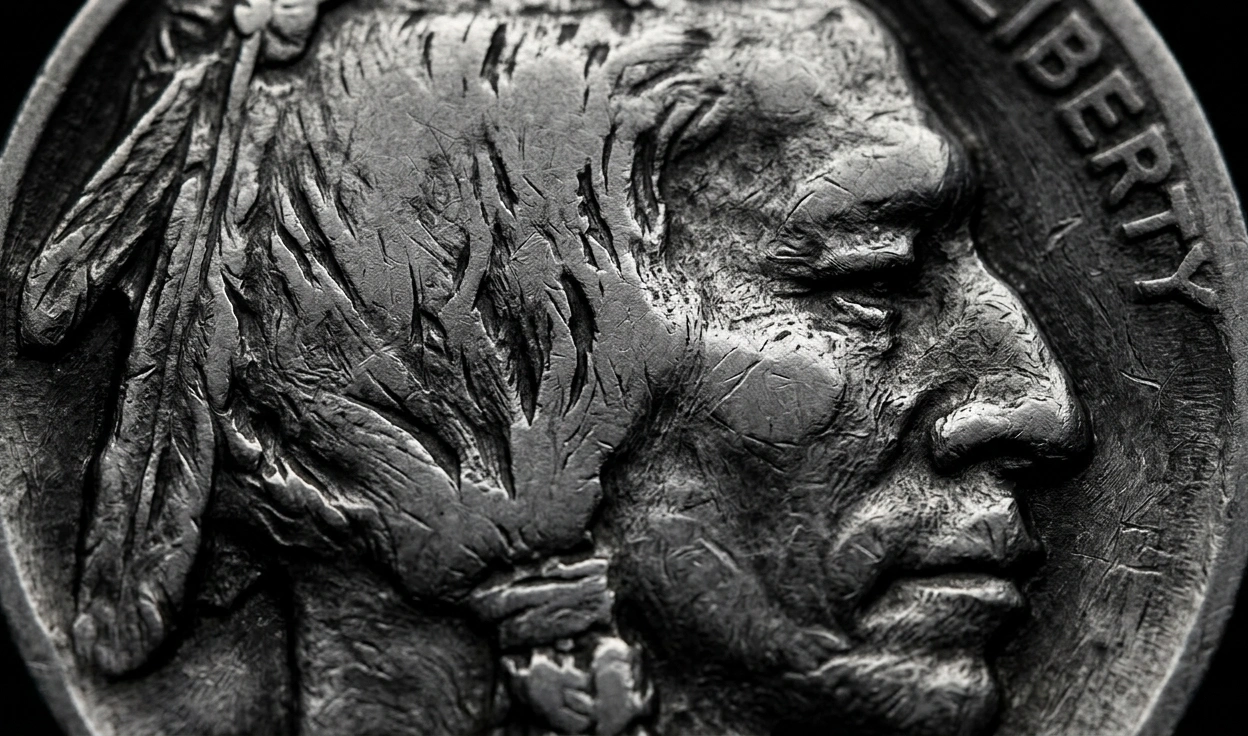
| Feature | Metric |
| Mass | 5.00 grams |
| Composition | Copper 75%, Nickel 25% |
| Thickness | 1.95 millimeters |
| Diameter | 21.21 millimeters |
Carving metal changes the initial mass of the product toward reduction.
Removing the background metal layer reduces coin weight by 0.05–0.15 grams depending on processing depth.
Hierarchy of Creation Periods and Price Influence
Market analysts divide coins into three distinct temporal stages.
Each period possesses specific markers of craftsmanship and tool usage.
Classic Period (1913–1940)
Creating works involved using pocket knives and files.
Average price per specimen → $450 – $2,500
Middle Period (1940–1980)
Employing finer chisels allowed for detailed anatomical facial features.
Average price per specimen → $150 – $600
Modern Period (1980–Present)
Utilizing microscopes and pneumatic engravers increased detail to microscopic levels.
Average price per specimen → $100 – $5,000
High prices for modern works stem from the international recognition of specific artists.
Factors Shaping Market Value
Final auction prices depend on a combination of technical and artistic criteria.
Percentage influence of factors on the total sum:
- Author’s name and presence of signature — 45%
- Composition complexity and carving depth — 25%
- Condition of the original coin before processing — 15%
- Subject uniqueness — 10%
- Presence of an authenticity certificate — 5%
Lacking wear on the protruding parts of the new relief increases lot attractiveness.
Keeping the original mint date on the front adds an average of 20% to the price.
Erasing the date during carving reduces interest among classic-style collectors.
Price Change Dynamics 2023–2026
Sales statistics on major trading platforms show steady price growth for famous masters.
Inflationary processes and limited supplies of old coins stimulate price increases.
| Year | Classic Price Change | Modern Price Change |
| 2023 | +4.2% | +8.5% |
| 2024 | +5.1% | +7.2% |
| 2025 | +4.8% | +10.4% |
| 2026 (Projected) | +5.5% | +9.0% |
Annual value growth in the premium work segment reaches 8.3%.
Declining liquidity occurs only for low-quality execution works.
Record Sales and Statistical Anomalies
Auction records happen during sales of works by genre founders.
George Washington Smith and Bertram Wiegand remain the most expensive authors.
Statistical record transactions:
1. Bertram Wiegand work (full processing of both sides) — $24,200
2. Classic “Clown” profile (unknown author, 1920s) — $11,500
3. Modern work featuring precious metal inlay — $18,900
Increasing subject complexity directly correlates with higher final bids.
Rare subjects including skeletons or mythological creatures sell 35% higher than standard portraits.
Metal Condition Influence on Evaluation
Natural processes in the copper-nickel alloy affect the visual perception of carving.
Condition evaluation follows specialized scales.
- Presence of patina — a natural protective layer
- Dark spots — a result of contact with harsh environments
- Mechanical edge nicks — a consequence of circulation
Cleaning coins with abrasive agents leads to an immediate 50% price drop.
Maintaining original metal luster holds value in modern works.
Classic specimens require a smooth gray or brownish coating.
Subject Variety and Market Preferences
Market share distribution by image type for 2026:
Profiles in headwear → 40% of the market
Ethnic and tribal motifs → 25% of the market
Skeletons and anatomical studies → 20% of the market
Animal scenes on the back → 10% of the market
Abstract ornaments → 5% of the market
Modifying an Indian profile into a bearded man in a hat represents the gold standard.
Creating complex multi-figure compositions on 3.5 square centimeters requires 40–60 work hours.
Certification and Counterfeit Protection
Rising original prices led to the appearance of cast copies.
Professional expertise confirms the fact of manual carving under magnification.
Methods for identifying originals:
- Studying coin via a coin value checker
- Checking metal structure in deep carving layers
- Comparing style with known author works
- Verifying weight against wear standards
Expertise costs range from $45 – $120 per unit.
Owning a certificate from a reputable organization speeds up sales by 60%.
Economic Reasons for Demand Shifts
Demand for alternative art forms grows during stock market instability.
Hobo Nickels represent compact assets with high specific value.
Investment attraction reasons:
- Limited quantity of original early 20th-century blanks
- Physical impossibility of exact manual work replication
- Growing collector communities in Asia and Europe
Capital moving into rare collectibles → 12% annual price growth.
Lacking ownership taxes on art objects in several jurisdictions stimulates the market.
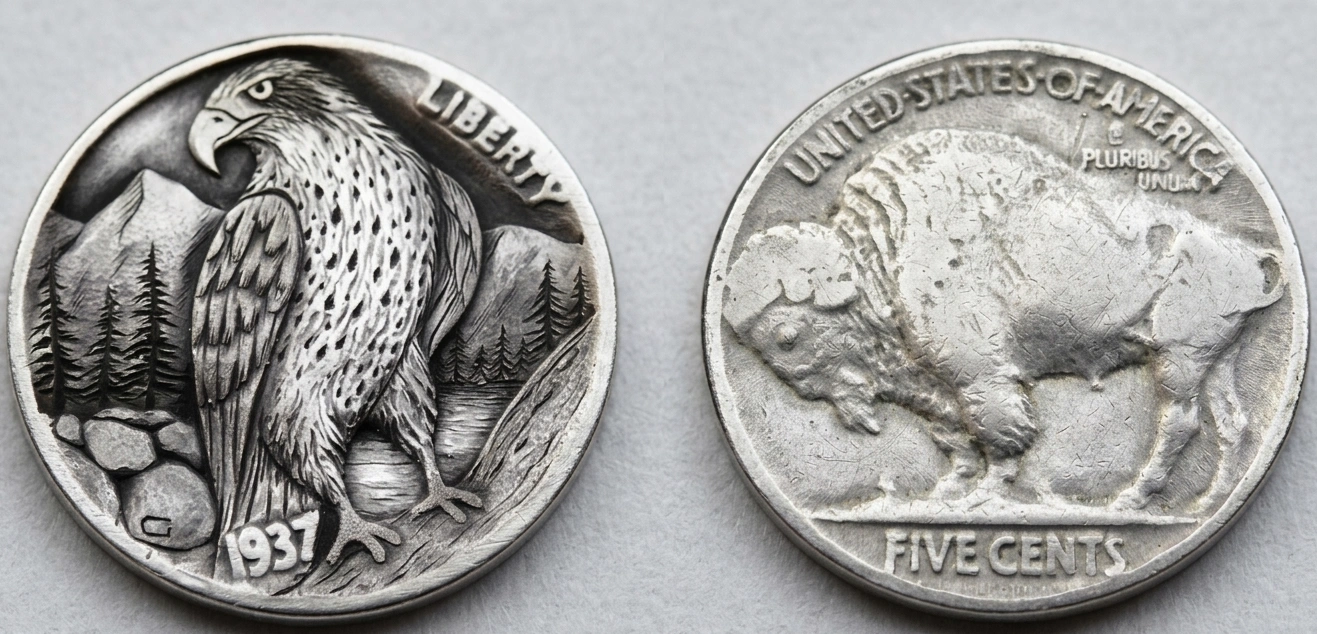
Auction Sales Geography
Major trading volumes occur on specialized platforms in the USA.
European markets show growing interest in modern masters from Eastern Europe.
| Region | World Market Share | Average Transaction |
| North America | 70% | $850 |
| Europe | 18% | $620 |
| Asia | 10% | $1,100 |
| Other | 2% | $300 |
Asian segments prioritize buying exclusively expensive and certified lots.
American markets provide mass turnover in the mid-price segment.
Technological Aspects of Evaluation
Depth of detail processing remains a key technical criterion.
Observers distinguish three levels of carving complexity, even if they use the best coin value app.
Low Level (Flat Carving)
Changing only face outlines without creating new volume.
Price → $50 – $150
Middle Level (Relief Carving)
Creating distinct volume by altering nose and chin shapes.
Price → $200 – $800
High Level (Deep Relief)
Full surface reworking creating deep shadows and fabric textures.
Price → $900 – $5,000+
Deep carving requires removing up to 3% of coin mass.
Storage Rules for Value Maintenance
Ignoring storage conditions leads to metal degradation.
Losing visual quality directly correlates with financial losses.
- Using inert plastic capsules
- Maintaining air humidity at 30–40%
- Excluding direct sunlight
- Storing away from sulfur sources
Darkening metal due to high humidity reduces prices by 15%.
Appearing corrosion spots makes coins unsuitable for investment.
Careful patina handling preserves the work’s historical appearance.
Studying the history of every coin completes its market profile.
Gathering previous sales data allows for justifying requested prices.
Transaction history transparency increases trust among major auction houses.
Market development in 2026 confirms Hobo Nickel status as a full asset.
Human labor value in this segment remains unshakeable.
Professional evaluation approaches guarantee forecast accuracy.
Data analytics concludes the current industry state overview.